

It is time that the UK invest in new heating resources
Dr. Charlotte Adams gave an interesting seminar discussing the future of Britain’s geothermal energy, and how she believes that the UK’s abandoned coalmines could meet future energy needs.
Although renewable energy accounts for nearly a quarter of electricity produced in the UK, the production of central heating is dominated by natural gas, which supplies ~70% of UK heat demand.
Geothermal heat is one solution that offers a low carbon energy source. Countries like Iceland and New Zealand are known for producing geothermal energy, by capturing the steam and hot fluids produced as a result of tectonic activity. Despite the UK, not having similar geothermal resources as these countries, there are still geothermal fluids accessible of 100 degrees Celsius. Abandoned coalmines contain good geothermal potential hot enough to produce electricity and heating.
Geothermal potential
The Earth’s “geothermal gradient”, is driven by heat produced at the Earth’s core that radiates towards the crust. In non-tectonic areas, temperatures increase on average by around 25°C per kilometre, meaning we can predict what temperature may be encountered at any specific depth.
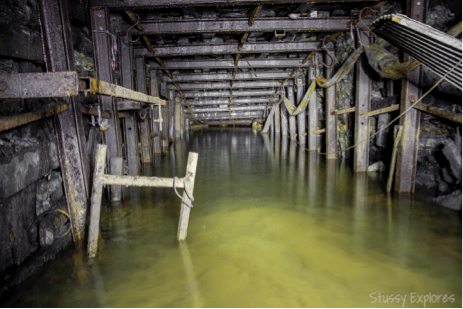
However extracting geothermal energy from these depths is only possible if water is present and is able to flow from the rock. Abandoned coalmines in the UK offer a promising solution due to their networks of flooded corridors, laying several hundred metres below the surface.
Sustainable coalmines
It is estimated that the abandoned mines of the UK contain roughly two billion cubic metres of water, at temperatures around 12-16°C, and in some instances higher. If heat corresponding to a 4°C temperature drop was removed from this volume, around 38,500TJ of heat could be released.
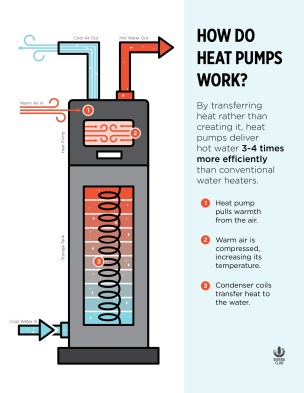
By using a heat pump, the water temperature could be increased to temperatures of 40-50°C. A heat pump is a device that takes energy from a source such as water within an abandoned mine and “lifts” it to a more useful temperature. A heat pump uses electricity to boost the temperature but for every kW of electrical power used, the heat pump will produce three to four kW of heat.
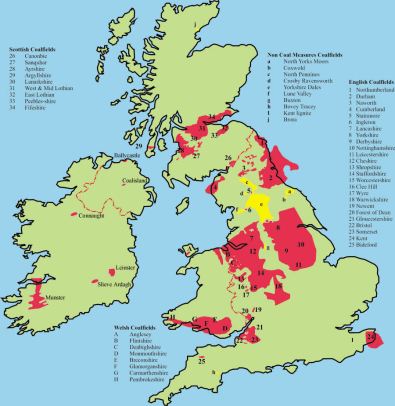
One thing to consider is the proximity to the heat demand. Given the low temperatures involved, the heat source must be close to the user to minimise any heat loss. Numerous UK cities grew as result of their coal reserves, meaning the centres of heat demand and areas of abandoned mines often overlap. The UK government’s fifth carbon budget sets out plans to decarbonise heat by stating that one in 20 homes should be connected to a heat network by 2030.
Mine-water district heating schemes have already proven successful at several locations. One example is the Ropak packaging plant in Springhill, Nova Scotia. A mine-water and heat pump system that uses mine-water at 18°C provides heating and cooling for the 13,500m2 site, reducing fuel-oil costs significantly. Describing the successful implementation of similar projects, Dr. Adams and her colleagues estimate that nearly 650,000 homes in Britain could be heated this way.
The irony that the dirtiest of fuels, coal, now has the potential to deliver a low carbon energy future is very amusing.
 Geo takes GEOscience